Child Development
Why Extracurricular Activities Matter for Schoolchildren in the UAE
Classroom lessons cover the syllabus, but a child grows in many directions at once. Sport, music, art and community clubs give pupils in the UAE a second place to learn, one they usually enjoy more than any timetable.
Why it matters
School alone is not the whole picture
A typical school day in Dubai, Sharjah or Ajman is built around core academics: Arabic, English, mathematics, science, Islamic studies. Those subjects are essential, but they mostly train one kind of thinking, sitting still, listening, writing. Children have far more capacity than that. They want to move, to make noise, to build things, to compete.
Extracurriculars give that energy somewhere to go. When a child joins a football squad, an art studio or a robotics club, they discover an interest that is theirs alone, not chosen by the timetable. That sense of ownership is often the first serious step toward self-motivation, which teachers everywhere say is the hardest quality to teach directly.
When to start
The right age to add a hobby
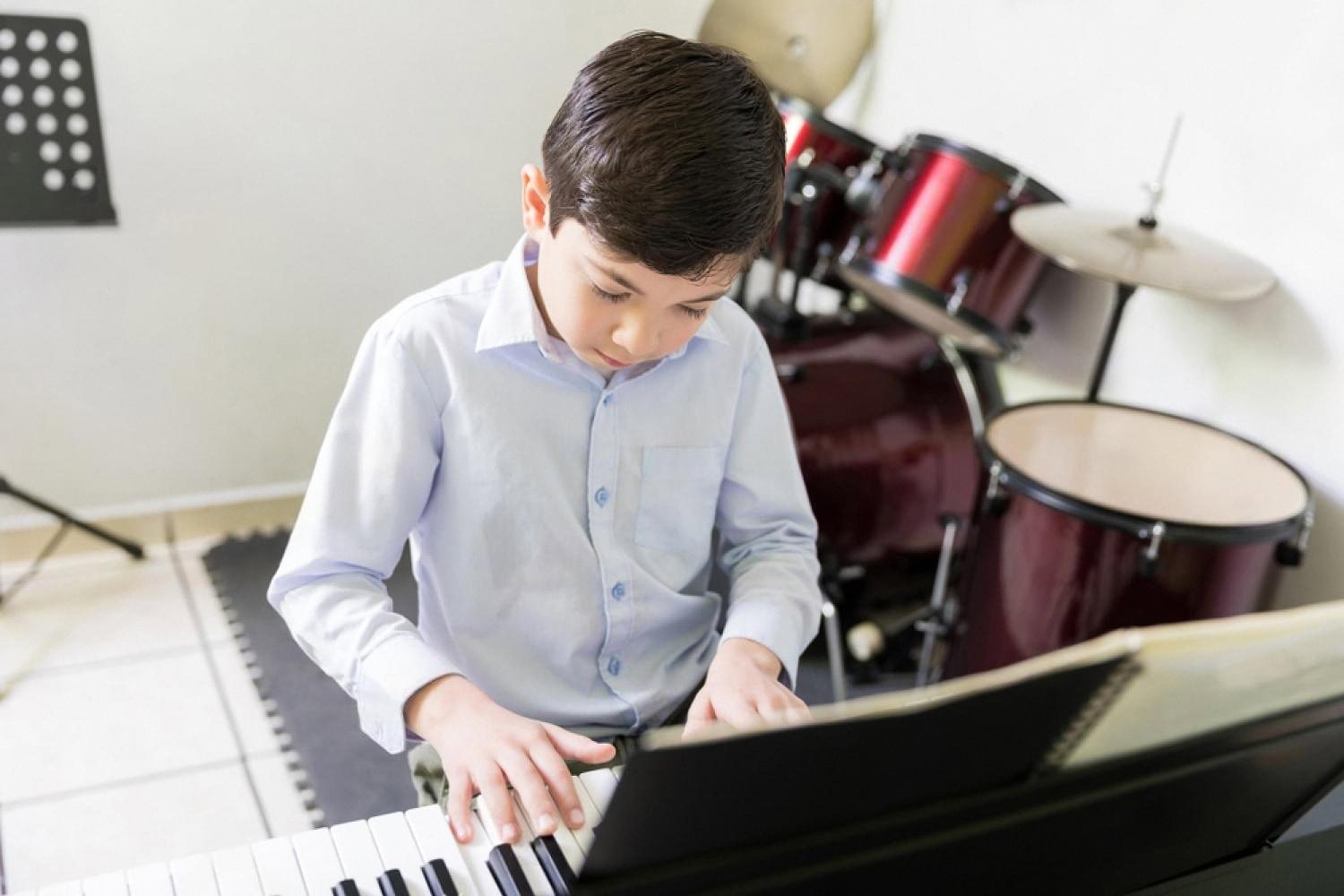
There is no perfect starting age, but most UAE schools begin offering structured after-school clubs from around KG2 onwards, with the widest choice appearing in Year 2 or Year 3. Younger children benefit from movement-heavy options, gymnastics, swimming, ballet, while children from age eight can commit to more technical pursuits like piano, chess or coding.
Families choosing between British curriculum, American, IB and CBSE schools in Ajman should ask about club timetables during admissions. A rich extracurricular programme is one of the clearest signs that a school takes whole-child development seriously.
What to expect from a good after-school programme
Regular schedule
One or two sessions per week, long enough to build a skill but short enough to leave time for homework and family.
Trained coaches
Instructors who understand children, not just the subject. Certification and safeguarding checks matter, especially for contact sports.
Visible progress
Belt gradings, recitals, tournaments, exhibitions. Small milestones keep a child hooked when the novelty wears off.
The wider gains
More than a hobby
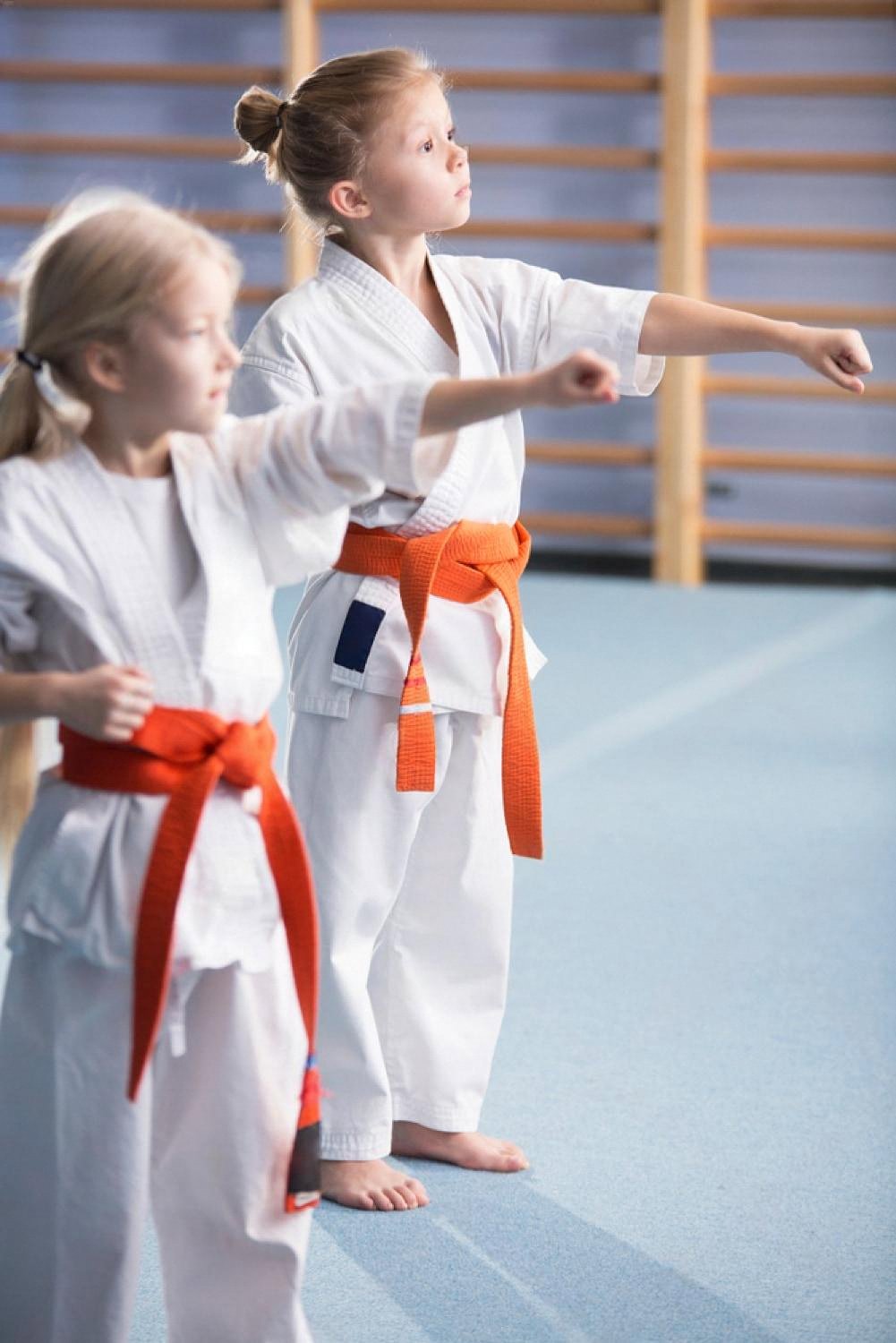
Every extracurricular carries a hidden curriculum. A child who trains in karate is not only learning kicks and blocks, they are learning to respect an opponent, to control frustration, to keep going when tired. A child at a drawing class is quietly training their eye for colour, proportion and patience.
- Sport strengthens muscles, builds stamina and, according to the World Health Organization improves immune response in children.
- Music shapes the ear, sharpens memory and teaches the discipline of daily practice.
- Art develops imagination, teaches how colours combine and trains a steady, accurate hand.
- Drama and public speaking build confidence and clear pronunciation in both Arabic and English.
- Coding and robotics teach logical thinking and how to break a big problem into small steps.
- Team activities like scouts or debate club teach negotiation and leadership.
How to choose the right activity, step by step
- Watch your child first. Notice what they reach for at home: a football, a pencil, Lego, a keyboard, a book. Interest is the best predictor of commitment.
- Shortlist two or three options. Do not try to cover everything in one term. Two activities per week is a healthy ceiling for primary-age children in the UAE, given the heat and the long school day.
- Book a trial session. Most academies in Dubai, Abu Dhabi and Sharjah offer a free or paid taster. Sit in if allowed. Watch how the coach speaks to the children.
- Agree a fair trial period. Ask your child to commit to one full term before deciding. New skills feel awkward for the first few weeks, and quitting early teaches the wrong lesson.
- Review together at the end of term. Talk about what they enjoyed and what was hard. Renew, switch, or add a second interest based on that honest conversation.
Comparing popular activity categories
Sport
Football, swimming, karate, tennis, gymnastics. Best for physical health, teamwork and burning off energy.
Creative arts
Painting, pottery, music, ballet, theatre. Best for imagination, emotional expression and fine motor skills.
STEM and academic
Coding, robotics, chess, Model UN, debate. Best for logical thinking, patience and confident speaking.
Children learn what they live. When the after-school hour is used for something they chose themselves, the whole week changes shape.
A note on balance
More is not always better. Over-scheduled children tend to sleep less, eat on the run and lose the free time they need to daydream and play. The American Academy of Pediatrics recommends unstructured play as a core part of childhood, alongside any organised activity.
Aim for a rhythm that feels sustainable through a UAE school term: two hobbies at most, homework finished before dinner, and at least one weekend afternoon with nothing planned. A child who is excited to go to karate on Tuesday and piano on Thursday, and who still has Saturday morning to themselves, is getting the balance right.
Frequently asked questions
At what age should my child start an extracurricular activity in the UAE?
Most children can begin light activities like swimming, gymnastics or music appreciation from ages four or five. More structured commitments, such as martial arts grading, piano lessons or team sport, work well from age seven onwards. Follow your child’s interest rather than a fixed age chart.
How many activities are too many for a schoolchild?
For primary-age children, one or two activities per week is usually plenty. Older children in secondary school can handle two or three, provided homework, sleep and family time still fit comfortably. If your child seems tired or reluctant every session, that is a signal to reduce the load.
Are extracurricular activities offered inside UAE schools or only outside?
Both. Most schools in Dubai, Abu Dhabi, Sharjah and Ajman run after-school clubs on campus, often included in the fees or offered at a small extra charge. Independent academies across the country also offer specialist coaching in sport, music, arts and STEM subjects during evenings and weekends.
What if my child wants to quit after a few weeks?
New skills usually feel uncomfortable at first. Agree in advance that they will finish one full term before deciding. If, after that term, the interest genuinely is not there, switching to something else is fine. The goal is to build the habit of trying and committing, not to force one specific hobby.
How do sports really help a child’s health in the UAE climate?
Regular physical activity strengthens the heart, builds muscle and improves sleep quality. In a hot climate where children can easily become sedentary, an indoor sport hall or an early-evening outdoor session keeps them active year-round. It also supports immune function and healthy weight.
Do music and art actually improve school results?
They rarely raise a maths grade overnight, but the underlying habits transfer. Music practice trains memory and concentration. Drawing trains observation and patience. Children who commit to a creative discipline often show improved focus in classroom tasks over time.
How do I choose between sport, music and STEM clubs?
Start with your child’s natural pull, then pick one activity from a physical category and, if time allows, one from a creative or thinking category. That combination covers body, imagination and mind without overloading the week.

Fixie owner, ramen eater, band member, reclaimed wood collector and creative consultant. Doing at the intersection of design and elegance to craft experiences both online and in real life. Let’s make every day A RAZZLE-DAZZLE MUSICAL.